
|
|
Bottom of the Ninth
|
|
|
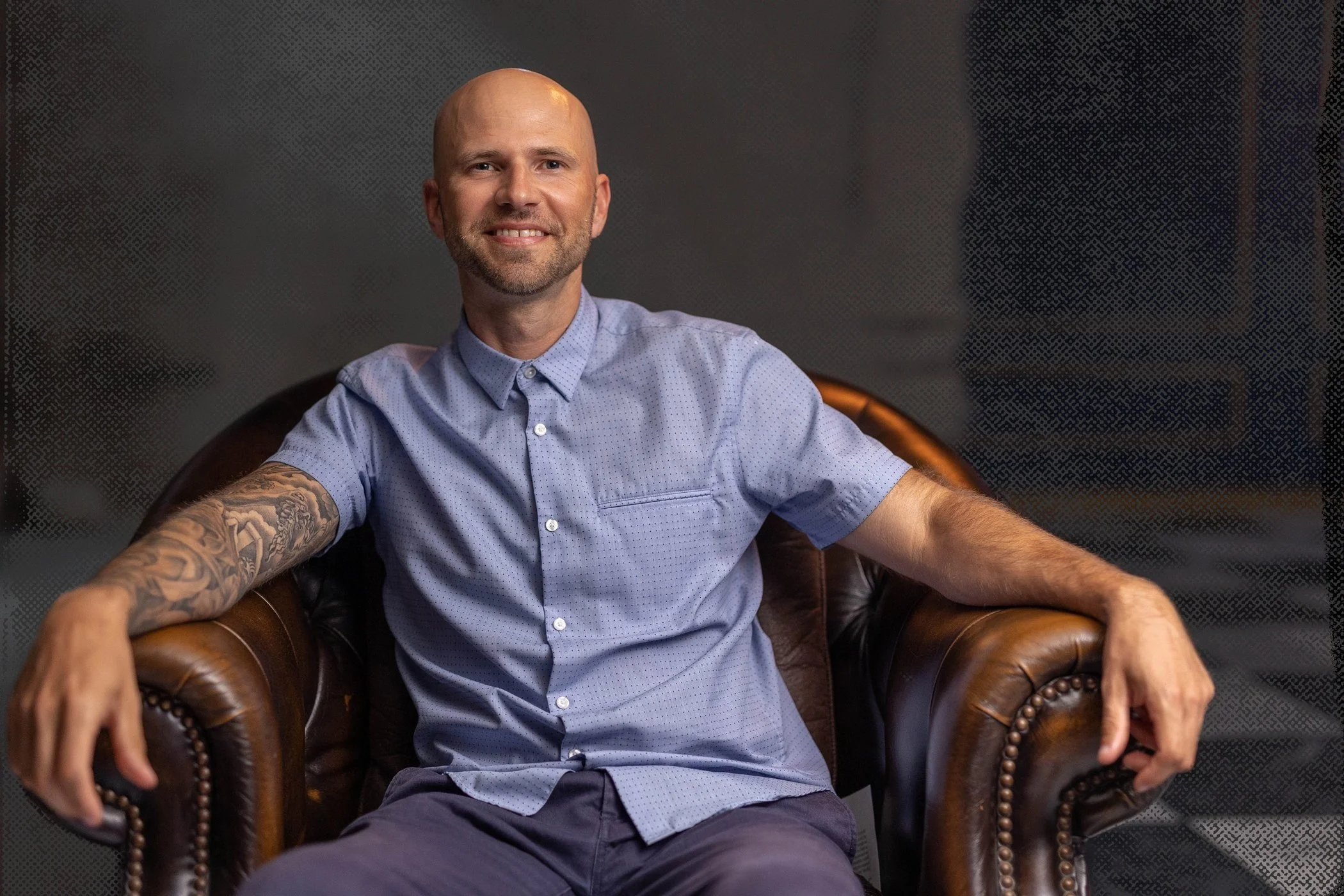
This Week's Episode Nike Lost the Plot. Here's Why That Was Inevitable. Former Nike brand director Jordan Rogers on why the biggest sports brand in the world is losing ground to people with iPhones and what that actually means for everyone trying to build a career in this industry. |
|
|
Now Playing · Sportonomics Jordan Rogers — Inside Nike, the Creator Economy & What Sports Marketing Actually Is Listen → |
|
— ✦ — The Setup An Insider Who Left and Can Now See Clearly Jordan Rogers spent years inside Nike as a director, top 4% of the company by his own accounting. He was in the rooms where briefs were written and campaigns were approved. He understood the politics, the sign-off chains, and which leaders had to put their necks on the line when something risky went out the door. Then the pandemic hit, he had two kids, and Portland stopped making sense. He moved his family back to Dallas, which as he'll tell you is basically the worst city in America if your career is in sports branding. The industry lives in Portland, L.A., New York. Not Dallas. So he did what people do when they don't have a choice: he built something. Consulting, teaching NIL to college athletes, and eventually stumbling into TikTok. Now he has a talent agency deal, CMOs sliding into his DMs, and a front-row seat watching the institution he came from slowly lose its grip on culture. That tension — the insider turned outsider who still understands both worlds — is what makes this one worth your time. |
|
The Argument Nike Was Built for a World That No Longer Exists Nike was built for monoculture. The 60-second spot. The billboard. The magazine double-page spread. Michael Jordan everywhere, all at once, inescapable. That model worked because attention was scarce and concentrated. There were only a few places it could live and Nike owned all of them. The algorithm changed that. On a TikTok For You page, a Nike ad competes for the same half second of attention as something Jordan made on a Sony camera in an afternoon. The polish that makes a Nike ad feel premium on a billboard makes it feel corporate and skippable on a phone. You can swipe past it in less time than it took someone at Nike to get it approved.
Then there's the brand drift problem. Jordan's read on Nike's last decade is blunt: they went chasing the Lululemon audience, the "just do sport for you, good job getting up today" energy, and in the process drifted away from their actual core. Nike was always built on obsession. Winning at all costs. The athlete who is, in Jordan's words, kind of a psycho about it. Michael Jordan. Tiger. Lance Armstrong in his complicated prime. When you try to reach everybody you end up resonating with nobody, and when your back isn't against the wall you lose the scrappiness that made you great. |
|
Why It Matters Creators Have a Structural Advantage Nobody Talks About This isn't just about content strategy. There's a structural reason creators are winning and it goes deeper than being "more authentic." When I put out something that flops I feel it immediately. I'm reconciling what didn't work within the hour. Two or three people are involved in my whole operation. The feedback loop is instant and I have more skin in the game than anyone. A brand like Nike has the opposite problem. Hundreds of people on a shoot. Legal review. Layers of sign-off from people who are rationally risk-averse by job description. The person who approved the Kaepernick campaign had to put their name on it. So did the person behind the Bud Light partnership. That's not paranoia, that's a completely logical response to how large institutions work.
The thing that makes a creator compelling — the willingness to say something sharp, to pick a side, to lose some people in order to really connect with others — is the exact thing a corporation can't absorb. You can't committee your way to an edge. And you can't buy the scrappiness that comes from genuinely having something to lose. |
|
Three Things Worth Stealing
|
|
✦ ✦ ✦ One thing we didn't get into in the episode: Jordan has a pinned video on his Instagram that's worth watching before anything else. He covers his recovery from heroin addiction, a year of incarceration, and the path that led him to a senior role at one of the most recognizable brands on earth. It reframes everything else he says. Find him at @jordanrogers on Instagram. No D. He is not Aaron Rodgers' brother, though they do share search traffic. If someone forwarded this to you, subscribe to Bottom of the Ninth for free. Back on Friday. |