

Happy Wednesday,
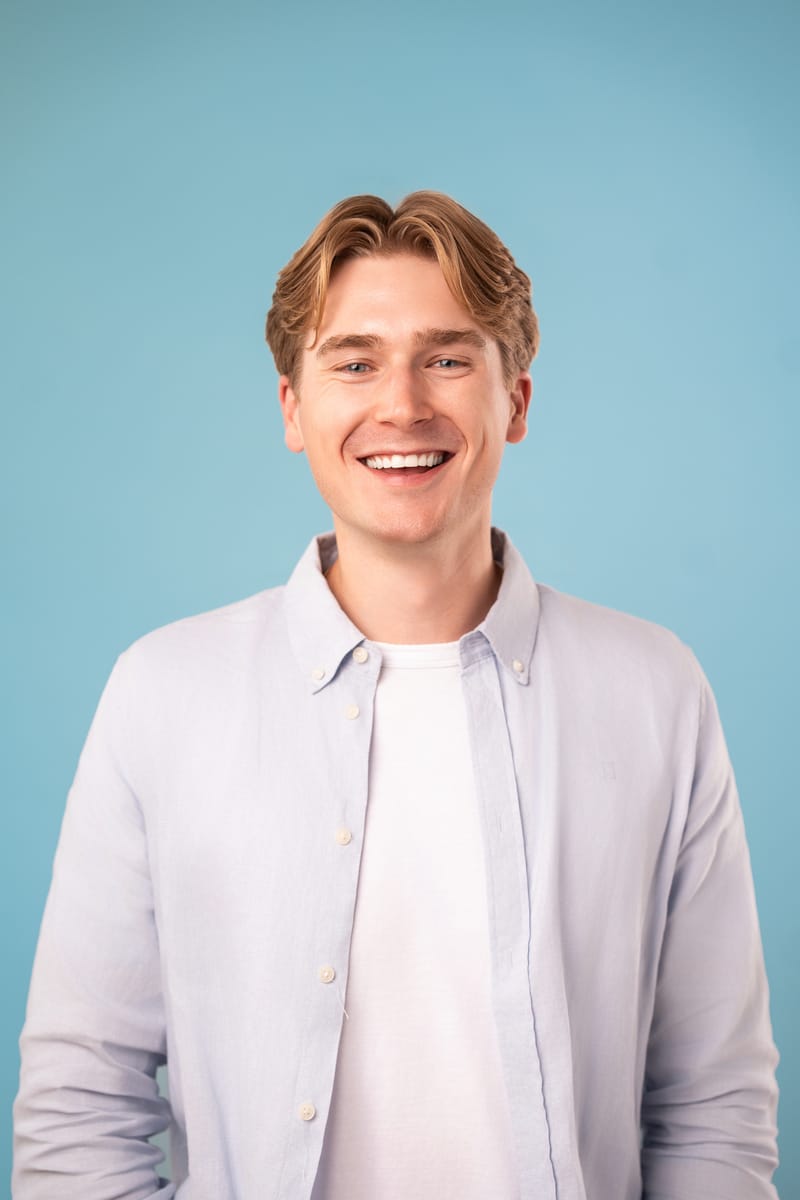
Cole Nevins has been in the sports media space since he was eight years old, starting with a blog on his iPod Touch, building a sports media network for over 200 high school creators, running a content agency for athletes and teams, and now running creator partnerships at Yahoo Sports. This week, I sat down with Cole to talk about:
Where the sports creator economy is actually headed
What separates good creators from great ones
The problem nobody in this space is talking about enough
Solopreneurship, as someone who's gone through it before — it sucks. There's no other way to put it.
How They Got Here
Age 8: First article published on coleonsports.com from a preseason NFL game, typed on an iPod Touch.
Age 9: Made his Twitter account ("borderline illegal" by his own admission) and was breaking NFL news at lunch in middle school.
High school: Noticed creators would launch pages, post a few videos, then disappear. Identified structure as the missing ingredient.
December 2019: Launched Phenom, a sports media network for high school creators. Over 200 contributors. Survived COVID. Some contributors became roommates. Some now work together in college communications departments.
Post-Phenom: Pivoted to the creative economy, videography, graphic design, highlight tapes for athletes and teams. The creator side didn't pay. The creative side did.
Today: Creator partnerships at Yahoo Sports, building infrastructure to incubate and partner with sports creators at scale.
The Big Idea: Creator Loneliness Is the Problem Nobody's Talking About
Cole might be talking his own book here, but I think it’s a good point worth some consideration.
Most creators stumbled into the profession; they were “ball knowers” who started getting some views, built a following, and woke up one day with a career they never planned for. And because most of them built it alone, they're still running it alone; writing scripts alone, recording alone, editing alone, staring at analytics alone, figuring out brand deals alone.
Cole calls it creator loneliness. And I think he's right that it's becoming a real structural problem in this space.

However, the answer isn't necessarily hiring a team. I pushed back on Cole on this; building a team for team's sake is how you go from being a creator to being a manager overnight, and that changes your entire relationship to the content. What I think Cole is actually pointing at is something closer to community and collaboration. The creators who last aren't necessarily the ones with the biggest teams. They're the ones with people they can call, text, and think out loud with.
Cole's solution at Yahoo is more structural: a minimum-guarantee model where creators get a financial floor upfront, then split upside-down 50/50 once that threshold is hit. Skin in the game on both sides. I think that's genuinely interesting and probably where more of these partnerships go.
5 Predictions for the Sports Creator Economy
1. YouTube is where the good and elite get separated. Short-form creators are shifting to long-form. Cole says he’s watching it happen in real time. YouTube is where the serious money, serious storytelling, and serious differentiation live. If you're not building there, you're ceding ground.
2. Newsletters become non-negotiable. Owning your audience is the only hedge against platform risk. Cole launched his newsletter the day before we recorded. He'd been checking his open rate all morning. That feeling (people actually choosing to hear from you) is what platform dependency can never give you.
3. Niche to the extreme. Stop trying to break the internet. Only Mr. Beast has to break the internet. Everyone else should be trying to capture a specific, loyal segment of people who are deeply into what you make. Follower count will become increasingly irrelevant. Relative content performance is the metric that actually matters.
4. Spray-and-pray UGC goes mainstream. Traditional ads produce no emotional response. Armies of small creators producing authentic product content do. Brands are figuring this out fast. Instagram's TikTok Shop-style feature is the next accelerant. This is already a trend, and it's about to become standard practice.
5. Creators build businesses in reverse. Audience first, product second. Build the following, then ask them what they need, then sell it to them. The School of Hard Knocks model got this right eventually. They had a million followers, launched merch, realized it was wrong, asked the audience, and sold them what they actually wanted. The creators who figure this out early won't need brand deals to survive.
Why It Matters
I encourage any current or aspiring creators to listen to the full episode. I imagine that depending on where you are in your journey, you’ll take away something different.
However, for me, I appreciated how Cole described his framework for new creators: make a Venn diagram of 10 people doing what you want to do, then figure out what makes you different from all of them. He called it the "give a shit factor." Why would anyone give a shit about your opinion?
His answer: You're either Stephen A. Smith or you're Zach Lowe. Super entertaining or super nerdy. If you fall anywhere in the middle, you're in content purgatory.
I've been thinking about that framing a lot. I think it applies way beyond sports. In a world where the volume of content is only going to increase (and AI is already accelerating it dramatically), the creators who survive are the ones who are impossible to mistake for someone else. And I don't think you can manufacture it. You either have a genuine point of view, or you don't.
🎧 [Listen to the full episode]
📩 And don’t forget: Bottom of the Ninth is back this Friday with the top three stories in sports and business from the week.
See you then,
Tyler & Jake